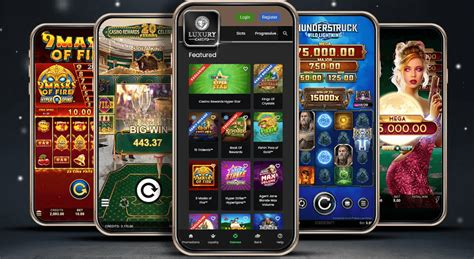





Features of the mobile interface and available functionality
The first thing I would say about mobile casino play is simple: people almost never use it in perfect conditions. They are not always sitting at a desk with full concentration and strong home Wi-Fi. More often, they open the platform on the sofa, in the kitchen, on a coffee break, or while they are killing ten quiet minutes before bed. That is exactly why the mobile version matters so much. It has to work in the middle of real life, not in some ideal test environment.
Picture this. You unlock your phone after a long day and decide to check the account. Maybe you want one short session, maybe you only want to look at the balance, maybe you are curious whether a bonus is still there. In that moment, the interface should feel almost invisible. You should not need to fight it. You should not need to think too hard about where the cashier is, where support sits, or how to get back to the main lobby after opening a game.
A good mobile layout quietly earns trust. It keeps the important things close: balance, cashier, game categories, support, account tools. It does not make the player admire the design first and only then discover the basics. That order works on ads, not in everyday use. For adult users in Canada, practical comfort matters more than visual drama. If the page loads cleanly, buttons stay where you expect them, and the route from login to game feels natural, the whole session starts on calmer ground.
There is also something very human about how people use phones. They are impatient on mobile in a way they are not on desktop. A clumsy menu feels more annoying. A hidden search bar feels more personal. A support button buried three layers deep feels like a real inconvenience, not a small design flaw. Mobile sessions are shorter, more reactive, and much easier to abandon. So when a platform gets the basics right, players notice that too. They may not praise it out loud, but they stay longer because the experience is not fighting them.
For Canada players using the platform within applicable local rules and as an adults-only activity, this makes a real difference. The smoother the interface, the easier it becomes to play with intention instead of slipping into a rushed, scattered session. Good mobile design does not push. It guides.
Functionality in the mobile version includes:
- Easy access to the cashier
- HTML5 game launch
- Contacting support
- Bonus activation
Comparison of play in the mobile browser and through the downloadable client
People often ask which is better: the browser version or a downloadable client. And honestly, that question makes more sense when you imagine a real player rather than a technical checklist. The answer depends on habits. Some users want to open the site quickly, play for fifteen minutes, and close the tab. Others return several times a day and prefer something that feels more fixed, more separate from the rest of the phone.
Let me put it another way. A browser session feels like dropping in. A client-like experience feels more like entering a familiar room. Neither one is automatically better. They just create a different mood. If you are the kind of player who likes flexibility and does not want to install anything extra, the browser may feel easier. If you want the session to begin with one deliberate tap and a cleaner sense of routine, the app-style route may feel more natural.
I have also noticed that players tend to judge this choice too quickly. They open one version once, decide within a minute, and move on. A fairer test is more ordinary. Use the browser in the morning. Use the client in the evening. See how each one feels after a few real sessions, not just one clean test while everything is going smoothly. Does the game load quickly? Does the screen adapt well when you rotate it? Does the battery drain faster than you expected? Does the whole session feel focused or messy?
Older game availability can matter too. Some players still care whether earlier Microgaming titles remain easier to reach in one environment than another. Others care more about speed and screen behavior. Both points are valid. The best option is usually the one that suits your actual device and routine, not the one that wins an abstract argument.
Comparison criterion | Browser | Downloadable client |
|---|---|---|
Loading speed | Usually faster for quick entry with no install step | Can feel steadier after setup during repeat use |
Availability of older Microgaming games | May depend on current browser support and live catalogue rotation | May depend on the installed build and current catalogue access |
Battery use | Can rise when several tabs remain open in the background | May feel lighter in a more focused session, depending on the phone |
Screen adaptiveness | Usually flexible across different screen positions | Often feels more fixed and app-like once set up |
Guide to setting up quick access on smartphone
Quick access sounds like a small convenience until you actually live with it for a few days. Then it becomes obvious why it matters. There is a difference between opening something on purpose and searching for it again every time. The time saved is small. The mental clutter saved is much bigger.
Think of a player who checks the account in the morning, comes back in the afternoon to look at the lobby, and returns again at night for a short session. By the third visit, the old browser-tab method starts to feel unnecessarily clumsy. A shortcut changes that. It turns repeated access into something cleaner and easier to control. And for adult users in Canada, that sense of control is worth more than it first appears.
Before setting it up, though, it helps to test the mobile version as it already is. Open the page, move to the cashier, launch a game, return to the lobby, and close the session. If that basic flow already feels awkward, a shortcut will not magically fix the deeper issue. But if the flow feels solid, quick access makes a good routine even better.
Creating a shortcut on the home screen for iOS via Safari
On iPhone or iPad, the easiest route usually begins in Safari. Open the mobile version, let the page settle properly, use the share menu, and add the page to the home screen. That is the technical part. The more important part is how it feels afterward. Suddenly the platform stops feeling like just another tab buried among everything else. It starts to feel like a place you can enter directly.
Imagine a quiet late evening. You are sitting on the couch, half watching something in the background, and you decide to open the casino for a short session. In that moment, you do not want to go digging through your browser history. You want one tap and a clean start. That is exactly what the shortcut gives you. Not a dramatic transformation. Just less friction, which in real life is often the most valuable improvement of all.
It is also worth checking how the shortcut behaves after interruption. Open it, close it, go answer a message, then return later. Rotate the phone inside a game. Move back to the main lobby. If the route still feels natural after those little interruptions, the setup is doing what it should. If it only feels good during one perfect first launch, that is something you want to know before making it part of your routine.
Installing a PWA icon for Android smartphones
On Android, a PWA-style icon is often the smartest middle ground. It gives the platform a more app-like presence without always forcing the player into a traditional store-based setup. For many people, that feels just right. It is quick, direct, and separated enough from the usual browser clutter to make repeat sessions feel cleaner.
Think about a player who uses the platform several times a day, not for long marathons, but for short, specific visits. A balance check in the morning. A quick game in the evening. Maybe a support question later. For someone like that, repeated browser entry starts to feel untidy. The home-screen icon solves that by giving the session a clear beginning.
Android users should still test it under normal conditions. Open the icon on Wi-Fi, then later on mobile data. Try the cashier. Open one game. Return to the lobby. That little test tells you whether the setup is really helpful or only looked good for a moment. The best quick-access setup is not the one that looks neat on the home screen. It is the one that still feels neat after real use.
Optimization of slot games for weak mobile internet
Weak internet has a way of revealing everything. A game that feels smooth on strong home Wi-Fi can suddenly feel awkward, heavy, or unreliable the moment the signal drops. That is why mobile optimisation is not some tiny technical topic sitting off to the side. It is a real part of the playing experience. When the connection is unstable, every design choice becomes easier to notice.
Picture a completely ordinary scene. You are in a waiting room, the signal is patchy, and you only want one short game. You do not need flashy graphics or dramatic page movement. You need stability. You need the lobby to load in the right order. You need the balance to refresh properly. You need the game to open without making you wonder whether the session is about to freeze. That is what weak internet turns into a real test.
There are a few practical habits that help much more than people expect. First, keep the session narrow. One game, one task, one clean stop. Weak internet punishes multitasking. If you try to jump between five slots, the cashier, live chat, and a half-open browser tab, you are creating a more fragile session than necessary. Second, give pages time to load fully before moving on. A lot of small mobile frustration comes from acting half a second too early.
The phone itself matters too. When background apps are eating resources, even an average connection can feel worse than it really is. Music streaming, automatic downloads, extra tabs, and constant notifications all compete for attention and performance. Players often blame the slot when the real problem is everything else happening around it. A mobile session runs better when the phone is quieter and the goal is clearer.
Battery life also becomes part of the story here. Weak internet often means longer loading, repeated reconnecting, and more stress on the device. If the battery is already low, the whole session can start to feel unstable even before anything goes properly wrong. That is not a reason to avoid mobile play. It is just a reason to be realistic. A calm, focused session on a decent battery almost always feels better than a rushed one on fifteen percent power.
For adult users in Canada, mobile gambling works best when it stays grounded in common sense. On weak internet, the smartest session is rarely the longest one. It is the one where the player knows what they came to do, does it clearly, and leaves before the phone, the signal, or their patience starts to turn against them.